SBA Form 413 and Financial Statement Preparation for 8(a) Application Compliance
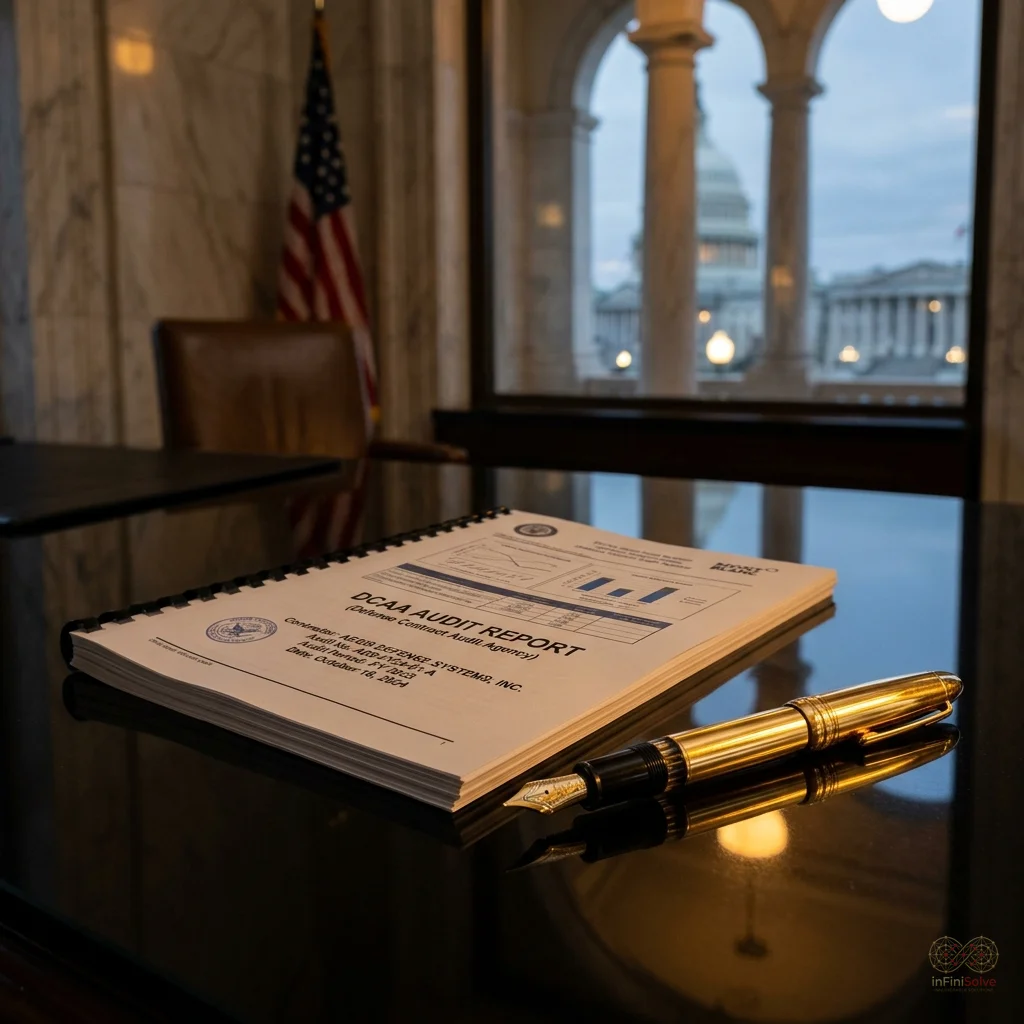
Understanding SBA Form 413 financial statements 8a application is a cornerstone of modern government contracting. Federal, state, and defense buyers enforce rigorous compliance, transparency, and technical performance standards. Navigating these requirements allows forward-thinking contractors to capture non-dilutive federal revenue and position themselves for long-term prime awards.
According to regulations established under official federal contracting guidelines, contractors must maintain strict compliance controls to operate within federal procurement channels. Furthermore, guidance published under executive regulatory frameworks mandates that vendors implement proactive risk management workflows.
In this comprehensive guide, the InfiniSolve Strategy Team breaks down the regulatory landscape, operational best practices, and compliance checklists necessary to dominate this space.
Table of Contents
- 01.Executive Overview and Regulatory Mandate
- 02.Core Compliance Principles and Statutory Framework
- 03.Operational Implementation and Step-by-Step Workflow
- 04.Mitigating Performance Risks and Avoiding Penalties
- 05.Long-Term Strategic Growth and Market Positioning
- 06.Conclusion and Executive Summary
- 07.Frequently Asked Questions (FAQ)
- 08.Related InfiniSolve Insights
Executive Overview and Regulatory Mandate
Federal and state agencies procure hundreds of billions of dollars in commercial services annually. However, entry into these markets requires navigating complex statutory provisions. Contracting Officers (COs) and Prime Contractors prioritize suppliers who demonstrate administrative rigor, financial transparency, and robust security posture.
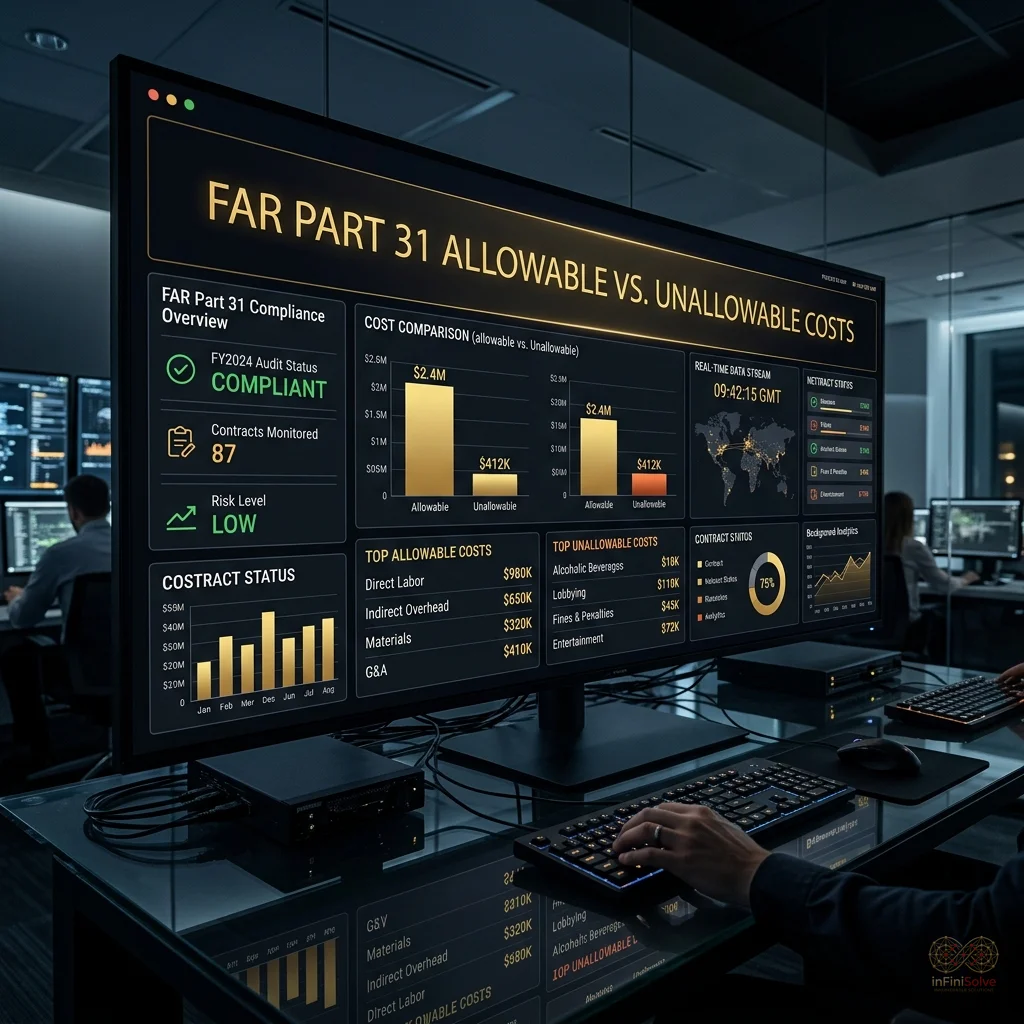
Key Compliance Pillars: 1. Statutory Alignment: Strict adherence to FAR, DFARS, and state purchasing statutes. 2. Audit Readiness: Maintaining clear documentation for accounting, cybersecurity, and past performance reviews. 3. Subcontracting and Teaming Strategy: Leveraging compliant workshare agreements to build past performance. 4. Continuous Monitoring: Regularly updating entity registrations and SAM.gov representations.
Contractors who fail to align with statutory standards face immediate disqualification, administrative cure notices, or bid protests from competitors.
Core Compliance Principles and Statutory Framework
Building a compliant capture and execution engine requires structuring your internal operations around federal guidelines. When evaluating proposals, source selection boards rely on quantitative risk matrices to grade vendor capability.
To establish competitive differentiation, small businesses must align their internal capabilities with established frameworks like B2B GovCon Outreach Strategy and Capability Statement Best Practices.
Strategic Framework Overview
| Operational Milestone | Regulatory Standard | Mandatory Artifact | Audit Frequency |
|---|---|---|---|
| --- | --- | --- | --- |
| Initial Registration | FAR Part 4 / SAM.gov | CAGE / UEI Validation | Annual Review |
| Technical Verification | NAICS / SBA Guidelines | Capability Narrative | Bi-Annual |
| Security Verification | CISA / NIST SP 800-171 | Security Plan (SSP) | Continuous |
| Financial Oversight | DCAA / FAR Part 31 | P&L / SF-1408 Audit | Project-Based |
Operational Implementation and Step-by-Step Workflow
Executing this strategy requires a phased implementation workflow. Below is the 5-phase operational roadmap developed by InfiniSolve strategy consultants:

Phase 1: Internal Gap Analysis Conduct a thorough audit of your current administrative, security, and financial infrastructure. Identify missing representations, outdated SAM.gov profiles, or unverified past performance records.
Phase 2: System and Documentation Alignment Assemble mandatory compliance artifacts, including formal policies and procedures, organizational charts, and verified past performance citations.
Phase 3: Market Outreach and Teaming Engage with agency Small Business Specialists (SBS) and Prime Contractor supplier diversity leads. Utilize tailored capability briefings to present your value proposition.
Phase 4: Proposal Capture and Submission When RFPs are released, strictly follow all Section L (Instructions) and Section M (Evaluation Criteria) mandates to ensure full responsiveness.
Phase 5: Contract Execution and CPARS Optimization Deliver exceptional project management, maintain open lines of communication with Contracting Officer Representatives (CORs), and ensure timely performance reporting to secure top-tier CPARS ratings.
Mitigating Performance Risks and Avoiding Penalties
Proactively managing risk is essential for protecting your firm's reputation and eligibility. Common failure points include misclassifying costs, missing statutory reporting deadlines, and failing to monitor subcontractor performance.
By implementing continuous risk monitoring tools and maintaining open communication with government stakeholders, your firm can maintain flawless compliance.
Long-Term Strategic Growth and Market Positioning
Mastering these regulatory mechanics transforms compliance from a cost center into a powerful competitive moat. Government buyers naturally gravitate toward contractors who eliminate procurement friction and deliver predictable results.
Conclusion and Executive Summary
In federal contracting, strategy and compliance are inseparable. By systematically executing the principles outlined in this guide, your organization can establish market authority, secure lucrative prime and subcontract awards, and build sustainable enterprise value.
Frequently Asked Questions (FAQ)
Q: What is the first step in establishing compliance in this domain? A: Begin by reviewing your active SAM.gov registration, verifying your CAGE code, and aligning your core NAICS codes with current agency spending trends.
Q: How often should our compliance documentation be updated? A: Compliance documentation should undergo formal quarterly reviews, with mandatory updates triggered whenever key personnel, security protocols, or financial structures change.
Q: Can small businesses partner with larger primes to meet these requirements? A: Yes. Utilizing SBA Mentor-Protégé Agreements or formal Joint Ventures allows small businesses to leverage prime experience while maintaining small business set-aside eligibility.
Q: What happens if an audit uncovers non-compliance? A: Agencies may issue a Cure Notice or Show Cause Notice. Immediate remediation, legal disclosure, and corrective action plans are required to resolve findings.
Q: How does InfiniSolve assist contractors with these requirements? A: InfiniSolve provides turnkey strategic consulting, proposal automation, and compliance auditing services to help contractors win and execute federal awards.
Related InfiniSolve Insights
For additional strategies on growing your government contracting revenue, explore these expert guides: - B2B GovCon Outreach Strategy: Scaling Beyond SAM.gov - How to Write a Winning Capability Statement for Government Contracts - SBA 8(a) Sole Source Contracts: Growth & Scaling Guide
Ready to dominate your sector?
Partner with InfiniSolve to architect a digital footprint that wins contracts and captures market share.
Schedule Strategy Session